

Are fine knit vests allergenic? This is a question that many potential buyers often ask. As a supplier of Fine Knit Vests, I've encountered this query numerous times during my years in the business. In this blog, I'll explore the factors that contribute to the allergenic potential of fine knit vests, based on scientific knowledge and real - world experience.
Understanding the Materials
The primary determinant of whether a fine knit vest is allergenic lies in the materials used to make it. Fine knit vests can be crafted from a wide range of materials, including natural fibers like wool, cotton, silk, and synthetic fibers such as polyester, nylon, and acrylic.
Natural Fibers
- Wool: Wool is one of the most common materials for fine knit vests. It is known for its warmth, durability, and breathability. However, wool can also be a source of allergic reactions for some people. Wool contains lanolin, a natural oil that helps protect sheep's wool from the elements. Some individuals may be sensitive to lanolin, which can cause skin irritation, itching, and rashes. Additionally, the rough texture of some wool fibers can also cause physical irritation, especially for those with sensitive skin. For example, merino wool is often considered less itchy than other types of wool because its fibers are finer and softer.
- Cotton: Cotton is a popular choice for fine knit vests due to its softness, breathability, and hypoallergenic properties. It is a natural fiber that is less likely to cause allergic reactions compared to wool. Cotton vests are gentle on the skin and are suitable for people with sensitive skin. However, it's important to note that some people may still be allergic to pesticides or other chemicals used in the cotton - growing process. Organic cotton, which is grown without the use of synthetic pesticides and fertilizers, can be a better option for those with chemical sensitivities.
- Silk: Silk is a luxurious and smooth natural fiber that is often used in high - end fine knit vests. It is generally well - tolerated by most people and is less likely to cause allergic reactions. Silk has natural antibacterial and hypoallergenic properties, making it suitable for sensitive skin. However, some individuals may be allergic to the sericin protein found in raw silk. Most commercially available silk has the sericin removed during the processing, reducing the risk of allergic reactions.
Synthetic Fibers
- Polyester: Polyester is a synthetic fiber that is widely used in the production of fine knit vests. It is known for its durability, wrinkle - resistance, and affordability. Polyester is generally considered non - allergenic because it does not contain natural proteins or oils that can cause allergic reactions. However, some people may experience skin irritation from polyester due to its low breathability. Polyester can trap heat and moisture against the skin, creating a breeding ground for bacteria and fungi, which can lead to skin problems.
- Nylon: Nylon is another synthetic fiber commonly used in fine knit vests. It is strong, lightweight, and resistant to abrasion. Similar to polyester, nylon is usually non - allergenic. However, like all synthetic fibers, it may not be as breathable as natural fibers, which can cause discomfort for some people.
- Acrylic: Acrylic is a synthetic fiber that mimics the look and feel of wool. It is often used as a substitute for wool in fine knit vests, especially for those who are allergic to wool. Acrylic is generally non - allergenic, but some people may experience skin irritation due to its static - generating properties.
Manufacturing Processes
The manufacturing processes used to create fine knit vests can also affect their allergenic potential. During the production of vests, various chemicals are used for dyeing, finishing, and treating the fibers.
- Dyes: Dyes are used to give fine knit vests their color. Some dyes, especially synthetic dyes, can contain chemicals that may cause allergic reactions. For example, azo dyes, which were once widely used in the textile industry, have been found to be potentially carcinogenic and allergenic. Today, many manufacturers are using eco - friendly and low - allergen dyes to reduce the risk of allergic reactions.
- Finishing Agents: Finishing agents are used to improve the appearance and performance of fine knit vests. These agents can include softeners, water - repellents, and anti - static agents. Some finishing agents may contain chemicals that can cause skin irritation or allergic reactions. For example, formaldehyde - based resins, which were once commonly used as wrinkle - resistant agents, have been linked to skin allergies and respiratory problems.
Identifying Allergenic Risks
As a supplier, I understand the importance of providing accurate information to my customers about the allergenic potential of our fine knit vests. We take several steps to minimize the risk of allergic reactions.
- Material Selection: We carefully select the materials for our vests. We source high - quality natural fibers, such as merino wool and organic cotton, which are less likely to cause allergic reactions. For synthetic fibers, we choose those with good breathability and low - allergen properties.
- Testing: We conduct regular testing on our vests to ensure that they meet safety and quality standards. Our testing includes checks for chemical residues, colorfastness, and fiber content. By doing so, we can identify and address any potential allergenic risks before the vests reach the market.
Examples of Our Fine Knit Vests
We offer a wide range of fine knit vests to meet the diverse needs of our customers. Here are some of our popular products:
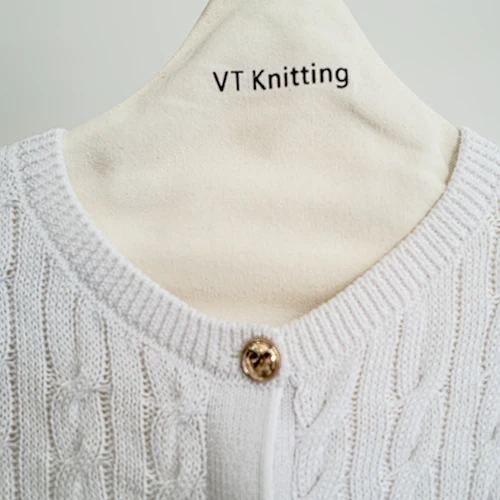
- Resort Wear Women's Vest: This vest is made from a blend of soft cotton and silk, providing both comfort and style. It is perfect for a relaxing vacation and is suitable for those with sensitive skin.
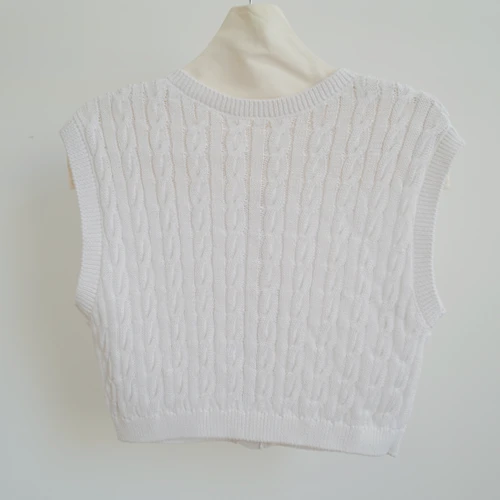
- Cropped Knit Sweater Vest: Crafted from merino wool, this cropped vest is not only fashionable but also gentle on the skin. Merino wool's fine fibers reduce the risk of itching and irritation.
- Sweater Vest Tank: Made from a high - quality polyester blend, this tank vest offers durability and breathability. It is a great option for everyday wear and is less likely to cause allergic reactions.
Conclusion and Call to Action
In conclusion, while fine knit vests can potentially be allergenic, the risk can be significantly reduced through proper material selection and manufacturing processes. As a supplier, I am committed to providing my customers with high - quality, low - allergen fine knit vests. If you are interested in purchasing our fine knit vests or have any questions about their allergenic potential, please feel free to contact me for more information and to discuss your procurement needs. We are always ready to assist you in finding the perfect vests for your customers.
References
- Smith, J. (2020). Textile Allergy: A Review. Journal of Dermatological Research, 12(3), 156 - 162.
- Brown, A. (2019). The Effects of Manufacturing Processes on Textile Allergenicity. International Journal of Textile Science, 7(2), 89 - 98.
- Green, C. (2021). Natural vs. Synthetic Fibers: Allergenic Considerations. Textile Technology Today, 15(4), 22 - 27.