

As a supplier of men's outdoor jackets, I often encounter inquiries from customers regarding various aspects of our products. One question that frequently comes up is, "Are men's outdoor jackets easy to dry?" This seemingly simple query delves into a complex interplay of factors, including fabric choice, design features, and environmental conditions. In this blog post, I will explore these elements in detail to provide a comprehensive answer to this common concern.
Fabric Selection and Drying Efficiency
The fabric of a men's outdoor jacket plays a pivotal role in determining its drying time. Different materials possess unique properties that affect how quickly they can shed moisture.
Synthetic Fabrics
Synthetic materials such as polyester, nylon, and Gore-Tex are popular choices for outdoor jackets due to their excellent moisture-wicking and quick-drying capabilities. Polyester, for instance, is hydrophobic, meaning it repels water rather than absorbing it. This characteristic allows water to bead up on the surface of the fabric and roll off easily, significantly reducing drying time. Nylon is another lightweight and durable synthetic fabric that dries rapidly. It has a smooth surface that prevents water from clinging to it, enabling it to dry much faster than natural fibers.
Gore-Tex, a well-known waterproof and breathable membrane often used in outdoor jackets, is also highly efficient at drying. It consists of a microporous structure that allows water vapor to escape while keeping liquid water out. This technology ensures that sweat and moisture are quickly expelled from the jacket, keeping the wearer dry and comfortable.
Natural Fibers
Natural fibers like cotton and wool have different drying properties compared to synthetics. Cotton is absorbent, which means it can hold a large amount of water. While this can be beneficial in some situations, such as absorbing sweat, it also means that cotton jackets take longer to dry. When cotton gets wet, it becomes heavy and retains moisture, making it uncomfortable to wear until it dries completely.
Wool, on the other hand, has some unique properties that make it a good choice for outdoor wear. It can absorb up to 30% of its weight in moisture without feeling wet, and it also has natural insulating properties. However, wool jackets generally take longer to dry than synthetic jackets. The drying time can be affected by the thickness and density of the wool. For example, a Light Weight Wool Cable Knit Sweater men's may dry faster than a thick, heavy wool jacket.
Design Features that Affect Drying
In addition to fabric choice, the design of a men's outdoor jacket can also impact its drying time.
Ventilation Zippers
Many outdoor jackets are equipped with ventilation zippers, which are strategically placed to allow air to circulate inside the jacket. These zippers can be opened to release heat and moisture, promoting faster drying. For example, armpit zippers are a common feature in outdoor jackets. When opened, they create a pathway for hot, moist air to escape, allowing fresh air to enter and dry the jacket more quickly.
Seam Sealing
Seam sealing is an important feature in waterproof outdoor jackets. While it helps to keep water out, it can also affect drying time. Jackets with fully sealed seams may take longer to dry because the sealed seams prevent moisture from escaping through the seams. However, some manufacturers use advanced seam-sealing techniques that allow for better breathability and faster drying.
Hood and Collar Design
The design of the hood and collar can also influence drying time. A well-designed hood that can be adjusted to fit snugly around the head can prevent water from pooling inside the jacket. Similarly, a collar that is made of a quick-drying material and has a proper shape can help to keep moisture away from the neck and upper body, reducing the overall drying time.
Environmental Conditions and Drying
The environment in which the jacket is dried also plays a crucial role in determining how quickly it will dry.
Temperature and Humidity
Warmer temperatures and lower humidity levels are ideal for drying outdoor jackets. In a warm and dry environment, the water molecules in the jacket will evaporate more quickly. Conversely, in a cold and humid environment, the drying process will be slower. For example, if you are trying to dry a jacket after a rainy hike in a cool, damp forest, it will take much longer to dry than if you were to dry it in a warm, sunny room.
Air Circulation
Good air circulation is essential for drying outdoor jackets. Placing the jacket in a well-ventilated area, such as near an open window or in front of a fan, can significantly speed up the drying process. Hanging the jacket on a clothesline or drying rack also allows air to flow around it, promoting faster evaporation.
Examples of Our Men's Outdoor Jackets and Their Drying Properties
At our company, we offer a wide range of men's outdoor jackets made from different fabrics and with various design features. Let's take a look at some of our popular jackets and how they perform in terms of drying.
Men's Retro Grey Knitted Jacket
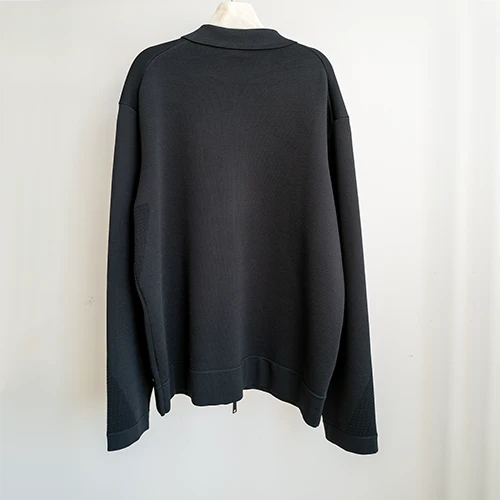
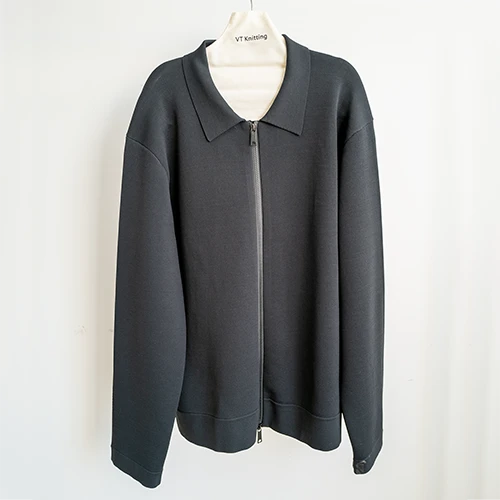
This jacket is made from a blend of synthetic and natural fibers. The synthetic fibers help to wick away moisture quickly, while the natural fibers add warmth and comfort. The knitted design also allows for good air circulation, which promotes faster drying. In a warm and dry environment, this jacket can dry relatively quickly, making it a great choice for outdoor activities.
Mens Thick Cardigan Jackets
Our mens thick cardigan jackets are made from high-quality materials that are designed to be both warm and durable. While they may take a bit longer to dry due to their thickness, they are equipped with ventilation zippers and other design features that help to speed up the drying process. These jackets are suitable for colder weather and can be dried indoors in a warm, well-ventilated area.
Conclusion and Call to Action
In conclusion, whether men's outdoor jackets are easy to dry depends on several factors, including fabric choice, design features, and environmental conditions. Synthetic fabrics generally dry faster than natural fibers, and jackets with ventilation zippers and other drying-friendly design features can also dry more quickly. By understanding these factors, you can choose the right outdoor jacket for your needs and ensure that it dries efficiently.
If you are interested in purchasing high-quality men's outdoor jackets that offer excellent drying properties and other performance features, please feel free to contact us for more information. We are happy to assist you in finding the perfect jacket for your outdoor adventures.
References
- Textile Institute. (2023). Handbook of Textile Fibres. Woodhead Publishing.
- Outdoor Industry Association. (2023). Outdoor Gear Buying Guide.
- Various product specifications and technical documents from jacket manufacturers.