

As a supplier of men's outdoor sweaters, I've often been asked whether men's outdoor sweaters have a soft texture. This question is not only relevant to the comfort of the wearer but also crucial for the marketability of our products. In this blog, I'll delve into the factors that determine the texture of men's outdoor sweaters and explore how our offerings strike the perfect balance between softness and durability.
The Role of Materials in Determining Texture
The texture of a men's outdoor sweater is primarily influenced by the materials used in its construction. Different fibers have distinct characteristics that contribute to the overall feel of the garment.
Wool: A Classic Choice for Outdoor Sweaters
Wool is a staple material in men's outdoor sweaters due to its excellent insulation properties. However, not all wools are created equal when it comes to softness. Merino wool, for example, is known for its fine fibers, which are much softer compared to coarser wools. Merino sheep produce wool with a smaller micron count, meaning the fibers are thinner and smoother. This results in a sweater that is not only warm but also gentle against the skin.
Our Crew Neck Lambswool Blend Jumper is a prime example of a wool-based sweater with a soft texture. The blend includes lambswool, which is even softer than regular wool as it comes from young sheep. The lambswool fibers are shorter and finer, giving the jumper a plush and luxurious feel.
Synthetic Fibers: Enhancing Softness and Performance
In addition to natural fibers like wool, synthetic fibers are often incorporated into men's outdoor sweaters to enhance their performance and texture. Polyester and nylon are commonly used synthetic materials. Polyester is known for its durability and moisture-wicking properties, while nylon adds strength and abrasion resistance.
When blended with natural fibers, synthetic materials can improve the softness of the sweater. For instance, a blend of wool and polyester can create a fabric that is both warm and soft, with the added benefit of being more resistant to shrinking and wrinkling. Our Men's Wool Blend Sweater combines the best of both worlds, using a carefully selected blend of wool and synthetic fibers to achieve a soft yet durable texture.
Manufacturing Processes and Texture
The manufacturing process also plays a significant role in determining the texture of a men's outdoor sweater. From spinning the fibers to finishing the garment, each step can impact the final feel of the product.

Spinning: Creating Smooth and Soft Yarns
The spinning process is crucial for creating yarns with a soft texture. During spinning, the fibers are twisted together to form a continuous strand. The way the fibers are spun can affect the smoothness and softness of the yarn. For example, a tightly spun yarn may feel stiffer, while a loosely spun yarn can be softer and more flexible.
At our manufacturing facilities, we use advanced spinning techniques to ensure that the yarns used in our sweaters are as soft as possible. We carefully control the tension and twist of the fibers to create a yarn that is both strong and gentle on the skin.
Finishing: Adding the Final Touch
The finishing process is the last step in creating a men's outdoor sweater, and it can have a significant impact on the texture. Finishing treatments such as washing, brushing, and steaming can soften the fabric and give it a more luxurious feel.
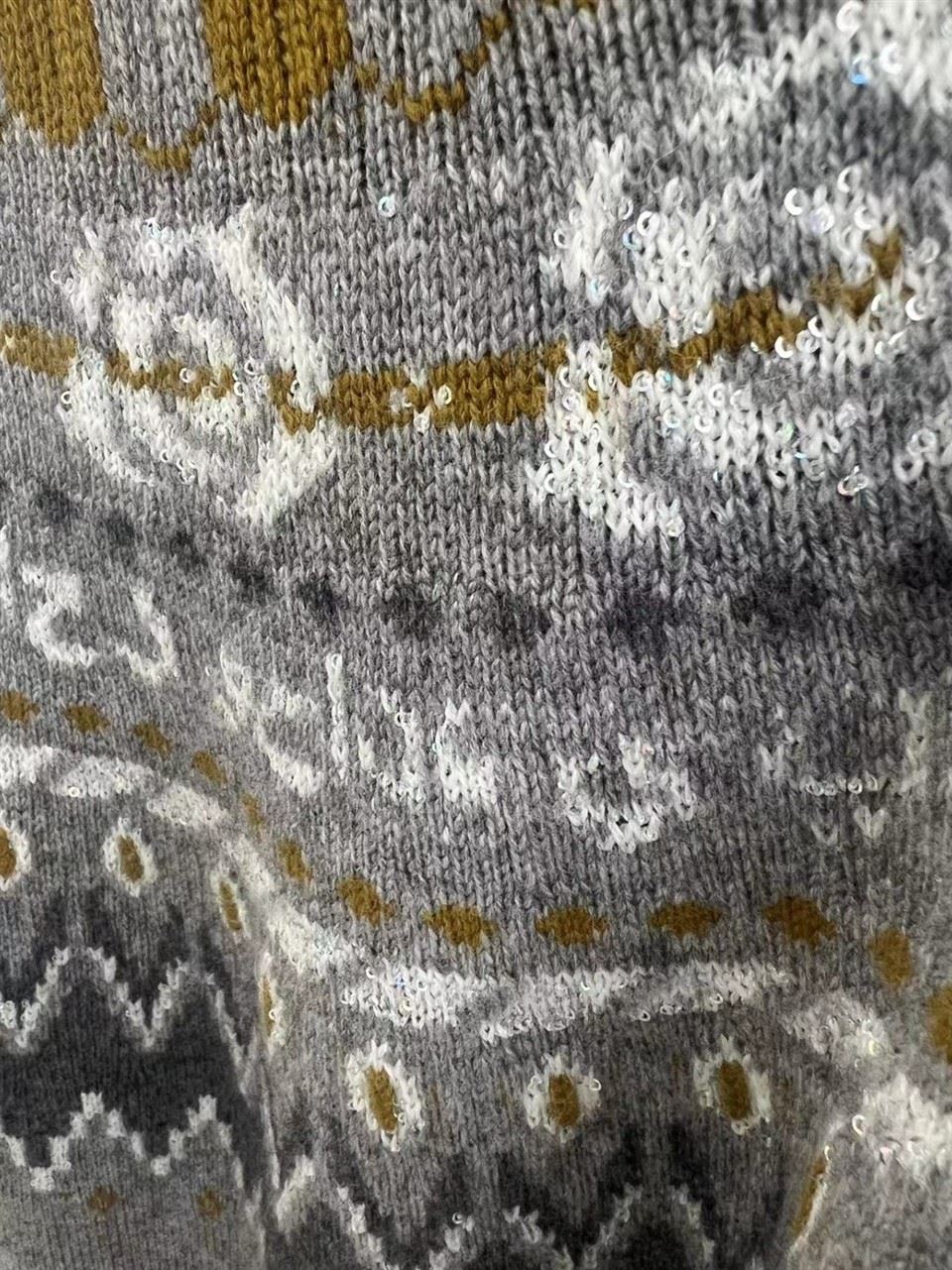
For example, a sweater that has been brushed will have a softer, fuzzier surface, which can enhance its warmth and comfort. Our Ferris Wheel Jacquard Sweater undergoes a special finishing process that includes brushing and steaming to ensure a soft and plush texture.
Comfort and Functionality in Outdoor Settings
When it comes to men's outdoor sweaters, softness is not the only factor to consider. These sweaters need to be functional and able to withstand the rigors of outdoor activities.
Moisture Management
Outdoor activities often involve sweating, so moisture management is crucial for comfort. A soft sweater that can wick away moisture and keep the wearer dry is essential. As mentioned earlier, synthetic fibers like polyester are excellent at moisture-wicking, and when combined with natural fibers, they can create a sweater that is both soft and functional.
Insulation
In cold outdoor environments, insulation is key. A soft sweater that provides adequate warmth can make a big difference in the wearer's comfort. Wool is a natural insulator, and sweaters made from high-quality wool or wool blends can keep the body warm even in freezing temperatures.
Durability
Outdoor activities can be rough on clothing, so a men's outdoor sweater needs to be durable. The combination of natural and synthetic fibers, along with proper manufacturing processes, can ensure that the sweater is not only soft but also able to withstand wear and tear.
Our Commitment to Softness and Quality
As a supplier of men's outdoor sweaters, we are committed to providing our customers with products that offer the perfect balance of softness and functionality. We carefully select the materials and manufacturing processes to ensure that each sweater meets our high standards of quality.
Our team of experts is constantly researching and developing new ways to improve the texture and performance of our sweaters. We listen to feedback from our customers and use it to make continuous improvements to our products.
Contact Us for Procurement
If you're interested in purchasing our men's outdoor sweaters, we'd love to hear from you. Whether you're a retailer looking to stock our products or an individual interested in bulk orders, we can provide you with the information you need. Contact us to start a procurement discussion and discover how our soft and functional men's outdoor sweaters can meet your needs.
References
- Textile Institute. "Wool Fibre Properties." Handbook of Textile Fibres, 2018.
- ASTM International. "Standard Test Methods for Physical Testing of Wool and Other Animal Fibers." ASTM D2720 - 16, 2016.