

Do women's wool cardigans attract moths? This is a question that many of us in the women's wool cardigan supply business often encounter. As a supplier of high - quality women's wool cardigans, I've delved deep into this topic to provide accurate information to our customers.
Wool is a natural fiber, and unfortunately, it is a prime target for moths. Moths, specifically clothes moths, are attracted to wool because it contains keratin, a protein that is a vital food source for their larvae. When female moths lay eggs on woolen items like our women's cardigans, the hatched larvae start to feed on the fibers. This feeding process can cause significant damage to the cardigans, leaving holes and weakening the fabric structure.
Let's take a closer look at the types of moths that pose a threat. There are two main species of clothes moths: the webbing clothes moth (Tineola bisselliella) and the casemaking clothes moth (Tinea pellionella). The webbing clothes moth is more common. Its larvae spin silk webbing as they move around on the fabric, which is a tell - tale sign of an infestation. The casemaking clothes moth larvae create small cases out of the fabric fibers they consume and carry these cases with them as they feed.
The attraction of moths to women's wool cardigans isn't just about the wool itself. Other factors can also play a role. For example, sweat, body oils, and food stains on the cardigans can make them even more appealing to moths. These substances add extra nutrients to the keratin in the wool, providing a more enticing meal for the larvae.
As a supplier, we understand the concerns of our customers. That's why we take several steps to minimize the risk of moths in our cardigans. First, during the manufacturing process, we ensure that the wool is thoroughly cleaned and treated. This helps to remove any impurities and potential attractants. We also use high - quality dyes and finishes that can act as a deterrent to moths.
When it comes to storing our cardigans, we recommend some best practices to our customers. Moths thrive in dark, warm, and humid environments. So, it's important to store cardigans in a cool, dry place with good ventilation. Using airtight containers or garment bags can also prevent moths from accessing the cardigans. Additionally, adding natural moth repellents like cedar chips or lavender sachets to the storage area can be effective.
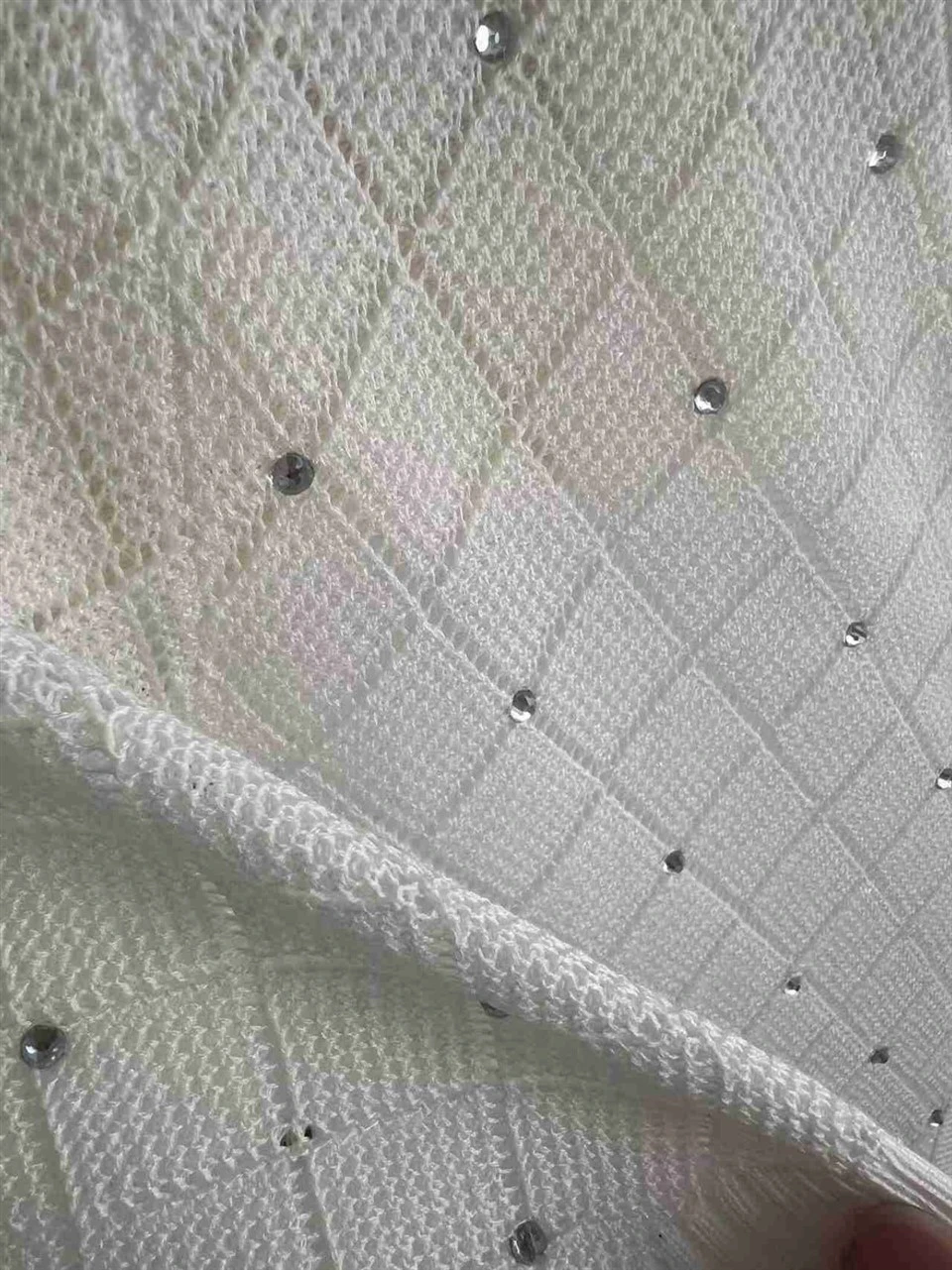
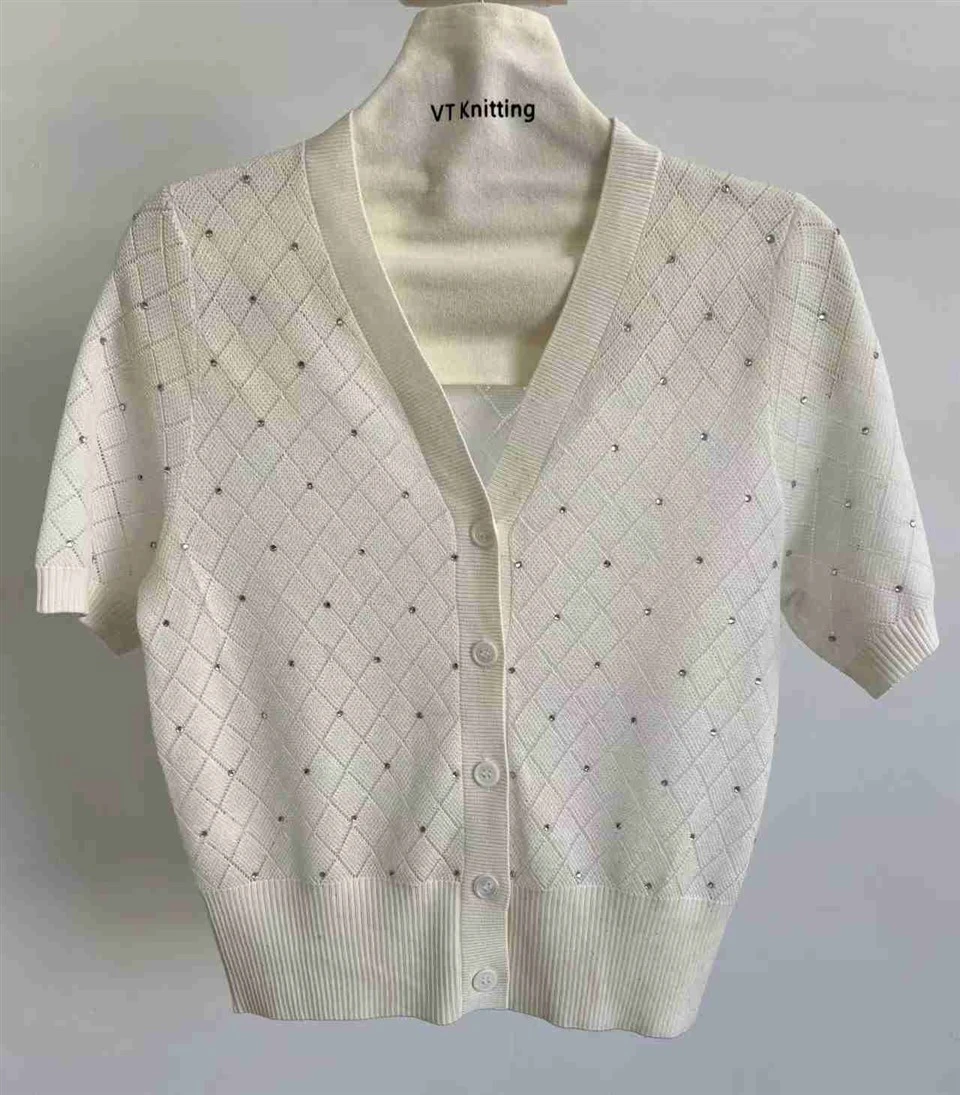
Now, let's talk about our product range. We offer a variety of women's wool cardigans that are not only stylish but also made with the highest quality wool. Our Pressed Diamond Knit Cardigan is a classic piece. The intricate diamond knit pattern adds a touch of elegance, and the high - grade wool ensures durability.
Another popular item is our Merino Wool Open Cardigan. Merino wool is known for its softness and breathability. This open - style cardigan is perfect for layering and can be worn in various seasons.
Our Women's V Neck Wool Sweater is also a favorite among our customers. The V - neck design is flattering and gives a modern look to the traditional wool cardigan.
Despite the efforts to prevent moth infestations, it's still possible for moths to find their way to the cardigans. If a customer notices signs of moths, such as small holes or webbing on the cardigan, it's important to take immediate action. First, isolate the affected cardigan to prevent the spread of the infestation. Then, dry - clean or wash the cardigan according to the care instructions. For severe infestations, it may be necessary to consult a professional pest control service.
In conclusion, while women's wool cardigans do have the potential to attract moths due to the nature of wool, there are ways to manage and prevent this issue. As a supplier, we are committed to providing high - quality products and sharing knowledge with our customers to ensure that their cardigans remain in excellent condition for a long time.
If you're interested in purchasing our women's wool cardigans or have any questions about moth prevention, we'd love to hear from you. Contact us to start a procurement discussion and explore our wide range of stylish and durable cardigans.
References
- "Moths and Your Clothes: A Guide to Prevention and Control" by the Entomological Society of America
- "The Biology of Clothes Moths" in the Journal of Textile Science and Technology
- "Wool: Properties and Processing" by the International Wool Textile Organization