

When the cold climate sets in, a women's wool coat becomes an essential piece of clothing. As a supplier of women's wool coats, I understand the importance of helping customers make the right choice. In this blog, I'll share some key factors to consider when selecting a women's wool coat for a cold climate.
Wool Quality
The quality of the wool is the foundation of a good cold - weather coat. There are different types of wool, such as Merino wool, Cashmere wool, and Lambswool. Merino wool is known for its softness, fineness, and excellent moisture - wicking properties. It can keep the body dry by drawing sweat away from the skin, which is crucial in cold weather as wet clothing can make you feel even colder. Cashmere wool is extremely soft and luxurious, offering high levels of warmth. However, it is also more delicate and expensive. Lambswool is soft and warm, and it is often a more affordable option.
When choosing a wool coat, check the label for the wool content. A higher percentage of wool generally means better insulation. Coats with at least 80% wool are ideal for very cold climates. Also, look for information about the wool's origin and how it was processed. High - quality wool should be free from excessive shedding and pilling.
Coat Style
The style of the coat can greatly affect its functionality in cold weather.
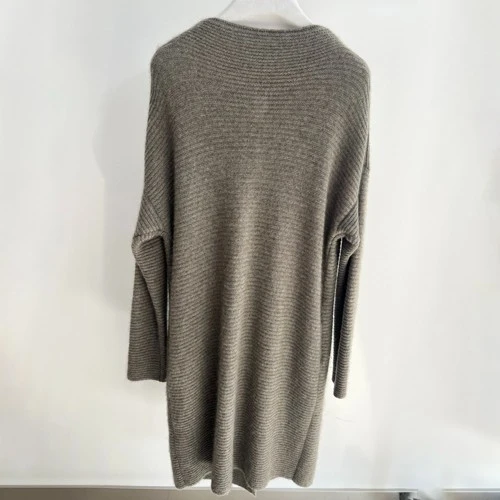
Length: Longer coats, like the Long Wool Sweater Coat, provide more coverage and protection from the cold. They can keep your legs warm and are especially useful in windy conditions. Knee - length or ankle - length coats are popular choices for cold climates. Shorter coats, on the other hand, may be more stylish and convenient for some activities, but they offer less protection from the elements.
Fit: A well - fitting coat is essential. It should not be too tight, as this can restrict movement and reduce blood circulation, making you feel colder. At the same time, it should not be too loose, as cold air can easily get inside. Look for a coat that has a comfortable fit around the shoulders, chest, and waist. Some coats come with adjustable features like drawstrings or belts, which can help you customize the fit according to your needs.
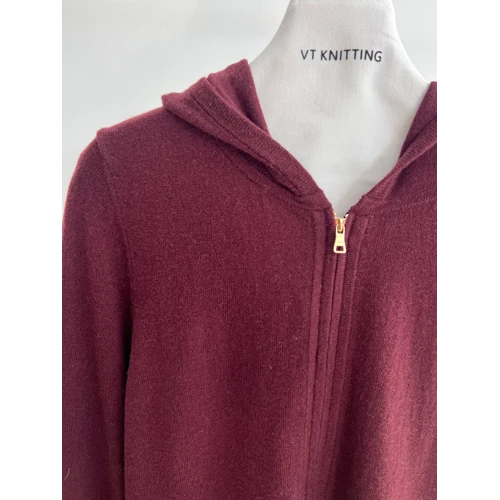
Closure: Coats with a double - breasted closure are often a great choice for cold climates. They provide an extra layer of insulation by overlapping the front of the coat. Zippered coats are also popular, and they should have a high - quality zipper that closes smoothly. Some coats may have a combination of buttons and zippers for added warmth and style.
Color and Design
While functionality is key, the color and design of the coat also matter.
Color: Darker colors like black, navy, and brown are classic choices for winter coats. They tend to absorb more heat from the sun, which can help keep you warmer. However, if you want to add a pop of color to your winter wardrobe, consider a Bright Pink Wool Coat. Bright colors can make you stand out in the winter landscape and also increase visibility in low - light conditions.
Design Elements: Look for coats with features like a high collar or a hood. A high collar can protect your neck from the cold wind, and a hood can provide additional protection for your head and ears. Some coats may have fur trim on the hood, which not only adds a touch of luxury but also provides extra insulation.
Lining and Insulation
The lining of the coat plays an important role in keeping you warm. A good lining should be smooth and comfortable against the skin. Satin or silk linings are popular choices as they allow the coat to slide over your other clothing easily. Some linings are also treated to be moisture - wicking, which helps keep you dry.
In addition to the wool itself, some coats may have additional insulation layers. These can be made of materials like down, synthetic fibers, or fleece. Down insulation is very warm and lightweight, but it can be more expensive. Synthetic insulation is a more affordable alternative and is often water - resistant, which is useful in wet or snowy conditions.
Durability and Maintenance
A women's wool coat is an investment, so it's important to choose one that is durable and easy to maintain.
Durability: Check the quality of the stitching, seams, and buttons. Reinforced seams are a sign of a well - made coat. The fabric should be thick and sturdy enough to withstand regular wear and tear. Look for coats that have been treated to resist stains and water, which can extend their lifespan.
Maintenance: Wool coats generally require special care. They should be dry - cleaned regularly to keep them in good condition. Some coats may be machine - washable, but it's important to follow the care instructions carefully. Avoid over - washing the coat, as this can damage the wool fibers.
Price and Budget
The price of a women's wool coat can vary widely depending on the quality of the wool, the brand, and the design. It's important to set a budget before you start shopping. While high - end coats may offer better quality and more features, there are also many affordable options available that can still provide good warmth and style.
When considering the price, think about the long - term value. A more expensive coat may last longer and require less frequent replacement, which can save you money in the long run.
As a supplier of women's wool coats, I am committed to providing high - quality products that meet the needs of customers in cold climates. Whether you are looking for a classic Womens Red Wool Dress Coat or a trendy bright - colored coat, I have a wide range of options to choose from.
If you are interested in purchasing women's wool coats for your store or personal use, I invite you to contact me for more information and to discuss your specific requirements. We can work together to find the perfect coats that fit your style, budget, and the needs of your customers.
References
- "The Ultimate Guide to Wool Coats" - Fashion Magazine
- "Winter Clothing: How to Stay Warm and Stylish" - Outdoor Living Journal
- "Wool: Properties and Benefits" - Textile Research Institute