

Hey there! As a supplier of women's wool coats, I often get asked by customers, "How do I know if a women's wool coat is pure wool?" It's a valid question, considering that there are so many products out there, and not all of them are what they claim to be. In this blog post, I'm gonna share some tips and tricks to help you figure out if that stylish coat you're eyeing is made of pure wool.
Check the Label
The first and easiest way is to look at the label. Most reputable manufacturers will clearly state the composition of the coat on the label. If it says "100% wool," then you're in luck. But be careful, as some labels might say "wool blend." This means that the coat is made of a combination of wool and other fibers, like polyester or cotton. While wool blends can still be high - quality and warm, they're not pure wool.
You can find a great selection of Women's Wool and Cashmere Winter Coats on our website, and the labels on these products are super clear about the composition.
Look at the Price
Pure wool coats are generally more expensive than those made from synthetic or blended materials. Wool is a natural fiber that requires a lot of processing to turn into a coat. If you come across a "wool" coat that's priced extremely low, it's probably not pure wool. Of course, there are sales and discounts, but if the price seems too good to be true, it probably is.
Examine the Texture
Pure wool has a distinct texture. It feels soft, yet it has a bit of a springy quality to it. When you touch it, it shouldn't feel overly smooth like synthetic fibers. Instead, you should be able to feel the individual fibers. If the coat feels stiff or plasticky, it's likely not pure wool.
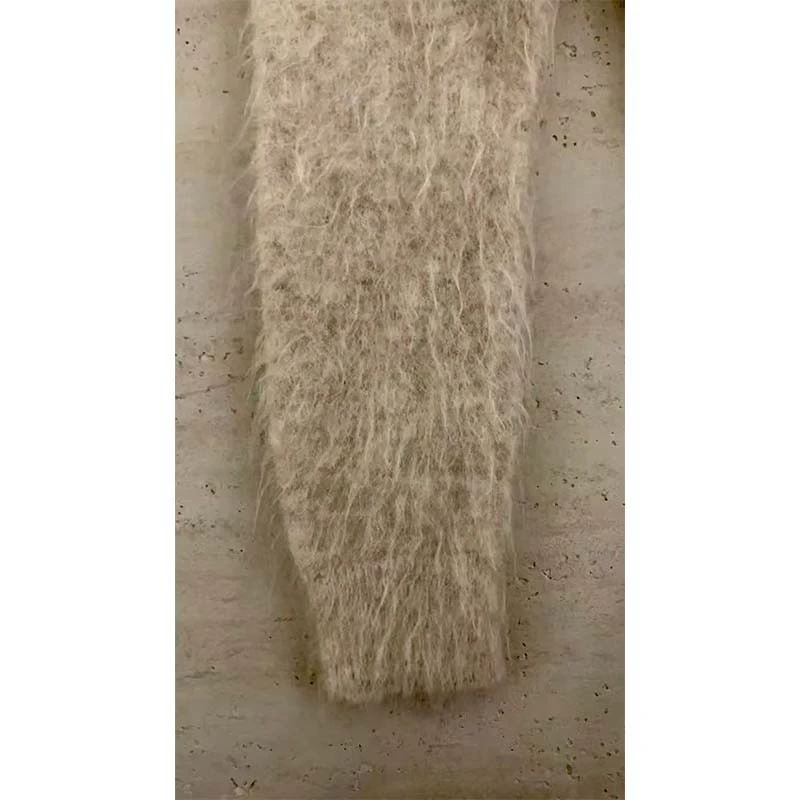
Take a close look at the surface of the coat. Pure wool often has a slightly fuzzy appearance due to the natural fibers. You might even see some loose fibers sticking out here and there. This is a good sign that it's made of real wool.
Do the Burn Test
This is a more hands - on way to check if the coat is pure wool. But be careful, as it will damage a small part of the coat. Take a few loose fibers from an inconspicuous area of the coat, like the inside hem. Hold the fibers with a pair of tweezers and bring a flame close to them.
If it's pure wool, the fibers will burn slowly, curl away from the flame, and have a smell similar to burning hair. This is because wool is made of protein, just like our hair. Once you remove the flame, the fibers will stop burning on their own.
On the other hand, if the fibers burn quickly, melt, and give off a plastic - like smell, then the coat is made of synthetic fibers. If it burns with a combination of these characteristics, it's likely a blend.
Check for Shrinkage
Wool is known to shrink when exposed to heat and moisture. Fill a small bowl with lukewarm water and add a little bit of mild detergent. Take a small piece of fabric from an inside seam of the coat (again, an area that won't be noticeable). Soak the fabric in the water for about 10 minutes, then gently squeeze out the excess water. Don't wring it.
Lay the fabric flat on a towel and let it dry. If it's pure wool, you'll notice that it has shrunk a bit. Synthetic fibers usually won't shrink under these conditions.
Look for Moth Damage
Pure wool is a favorite food of moths. If you see small holes or signs of nibbling on the coat, it's a strong indication that it's made of real wool. Of course, this isn't a foolproof method, as some stores take precautions to prevent moth damage. But if you're buying a second - hand coat and notice these signs, it could be a good sign that it's pure wool.
Consider the Weight
Pure wool coats tend to be heavier than those made from synthetic materials. The weight comes from the natural density of the wool fibers. If a coat that claims to be wool feels extremely light, it might not be pure.
Check the Breathability
Wool is a breathable fiber. It allows air to circulate through the fabric, which helps keep you warm in the winter and cool in the summer. Put your hand inside the coat and hold it there for a few minutes. If you feel that your hand doesn't get overly sweaty and can still "breathe," it's likely that the coat is made of pure wool. Synthetic fibers often trap heat and moisture, making your skin feel clammy.
We also have a wonderful collection of Winter Woolen Tops For Ladies that are breathable and made with high - quality materials.
Look at the Durability
Pure wool coats are durable. They can withstand regular wear and tear. Check the seams of the coat. They should be well - stitched and not coming apart easily. The fabric itself should be strong and not prone to pilling. If the coat starts to look worn out after just a few wears, it might not be pure wool.
Check for Static
Synthetic fibers tend to generate a lot of static electricity. Rub the coat against a piece of fabric or your hair. If you see a lot of static and hear crackling sounds, it's likely that the coat has a high percentage of synthetic fibers. Pure wool usually doesn't produce as much static.
Feel the Warmth
One of the main reasons people buy wool coats is for their warmth. Put on the coat and see how it feels. Pure wool will keep you warm even in cold weather. It has natural insulating properties that trap heat close to your body. If you don't feel warm enough in the coat, it might not be pure wool.
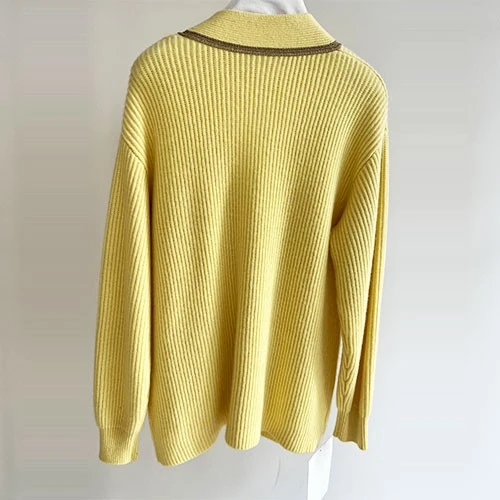
We also offer Wool Knitted Coat, which are not only warm but also very stylish.
Conclusion
Figuring out if a women's wool coat is pure wool requires a combination of these methods. Checking the label is the easiest start, but sometimes you need to do a bit more detective work. Whether you're a fashion - conscious shopper or a retailer looking for high - quality products, these tips can help you make an informed decision.
If you're interested in purchasing our women's wool coats, we'd love to have a chat with you. We're always open to discussing your needs and how we can provide the best products for you. Reach out to us, and let's start a great business relationship!
References
- "The Science of Wool" - Woolmark Company
- "Textile Fibers: Properties and Identification" - Textile Institute