

Ironing a men's outdoor jacket is not just about making it look presentable; it's also a crucial step in maintaining its quality and longevity. As a supplier of men's outdoor jackets, I've seen firsthand the difference proper ironing can make. In this blog post, I'll guide you through the process of ironing a men's outdoor jacket effectively, ensuring it looks sharp and functions well for years to come.
Understanding Your Jacket's Material
Before you start ironing, it's essential to understand the material of your jacket. Different materials require different ironing techniques to avoid damage. Here are some common materials used in men's outdoor jackets and their ironing requirements:
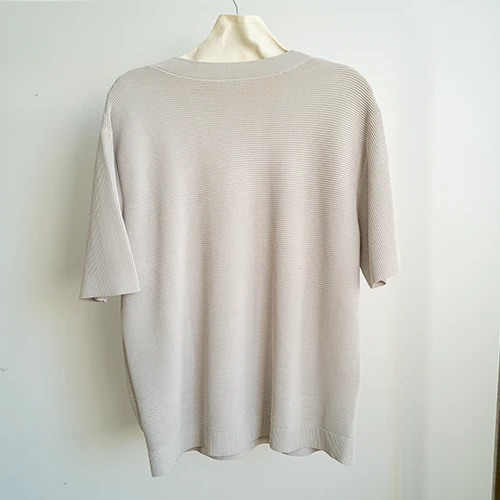
- Cotton: Cotton is a popular choice for outdoor jackets due to its breathability and durability. It can generally withstand medium to high heat settings on an iron. However, it's best to test a small, inconspicuous area first to ensure there's no color bleeding or damage. You can use steam for a crisper finish. For example, our Men's Retro Grey Knitted Jacket is made of high - quality cotton and can be ironed with a medium - heat steam setting.
- Wool: Wool is a natural fiber that provides excellent insulation. When ironing wool, use a low - heat setting and always place a damp cloth between the iron and the jacket to prevent scorching. Avoid pressing too hard, as this can flatten the fibers. Our Light Weight Wool Cable Knit Sweater men's requires gentle ironing to maintain its soft texture and shape.
- Synthetic Materials (e.g., Polyester, Nylon): Synthetic materials are often used in outdoor jackets for their water - resistance and lightweight properties. These materials should be ironed on a low - heat setting to prevent melting or warping. If possible, use a pressing cloth and avoid direct contact between the iron and the jacket.
Preparing Your Jacket for Ironing
Once you've identified the material of your jacket, it's time to prepare it for ironing. Here's what you need to do:
- Read the Care Label: The care label on your jacket provides specific instructions on how to care for it, including ironing recommendations. Follow these instructions carefully to avoid damaging the jacket.
- Remove Stains: If your jacket has any stains, it's best to treat them before ironing. Ironing can set stains, making them more difficult to remove. Use a suitable stain remover and follow the instructions on the product.
- Button Up and Zip: Button up all the buttons and zip up the jacket to ensure it retains its shape during ironing. This also helps to prevent creases from forming in the wrong places.
- Lay the Jacket Flat: Find a clean, flat surface to iron your jacket. A ironing board is ideal, but you can also use a table covered with a clean cloth. Lay the jacket flat on the surface, smoothing out any wrinkles.
Ironing Techniques
Now that your jacket is prepared, it's time to start ironing. Here are some general ironing techniques to follow:
- Start with the Collar and Cuffs: The collar and cuffs are often the most visible parts of the jacket, so it's important to get them looking sharp. Iron the collar first, starting from the tips and working your way towards the center. Use a pressing cloth if necessary. Then, iron the cuffs in the same way.
- Iron the Front and Back Panels: Lay the jacket flat on the ironing board and start ironing the front panels. Work from the top down, using long, smooth strokes. Pay attention to any seams or pockets, and make sure to iron around them carefully. Repeat the process for the back panel.
- Iron the Sleeves: To iron the sleeves, lay the jacket on its side with the sleeve flat. Start at the shoulder and work your way down to the cuff. Use a pressing cloth if the sleeve is made of a delicate material. You can also roll the sleeve slightly to make it easier to iron.
- Use Steam Sparingly: While steam can help to remove wrinkles, too much steam can damage some materials. Use steam only when necessary, and make sure to dry the jacket thoroughly after ironing.
- Avoid Over - Ironing: Over - ironing can cause the fabric to lose its shape and color. Iron the jacket only as much as necessary to remove wrinkles.
Special Considerations for Outdoor Jackets
Outdoor jackets often have special features that require extra care when ironing. Here are some things to keep in mind:
- Water - Repellent Coatings: Many outdoor jackets have a water - repellent coating to keep you dry in wet conditions. Ironing can damage this coating, reducing its effectiveness. If your jacket has a water - repellent coating, avoid ironing it directly. Instead, use a low - heat setting and a pressing cloth to minimize the risk of damage.
- Insulation: Jackets with insulation, such as down or synthetic fill, should be ironed with caution. Avoid applying too much pressure or heat to the insulated areas, as this can damage the insulation. Iron around the insulated areas or use a low - heat setting and a pressing cloth.
- Zippers and Buttons: Zippers and buttons can be damaged by the heat of an iron. To protect them, cover them with a pressing cloth or remove them before ironing. If you choose to leave them on, be careful not to iron directly over them.
Finishing Touches
After you've finished ironing your jacket, there are a few finishing touches you can add to make it look its best:
- Hang the Jacket: Hang the jacket on a sturdy hanger to allow it to cool and dry completely. This helps to maintain its shape and prevent new wrinkles from forming.
- Brush the Jacket: Use a soft brush to remove any lint or dust from the jacket. This gives it a clean, polished look.
- Store the Jacket Properly: Store the jacket in a cool, dry place away from direct sunlight. Avoid folding the jacket for long periods, as this can cause creases to form.
Conclusion
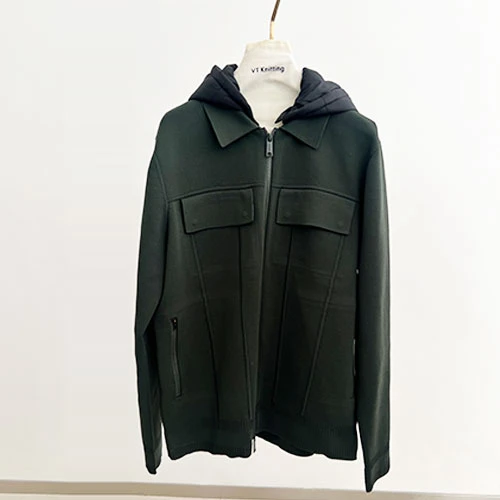
Ironing a men's outdoor jacket is a simple process that can make a big difference in its appearance and longevity. By following the tips and techniques outlined in this blog post, you can ensure that your jacket looks sharp and functions well for years to come. As a supplier of men's outdoor jackets, we're committed to providing high - quality products and helpful advice. If you're interested in purchasing men's outdoor jackets for your business or personal use, we'd love to have a discussion with you about procurement. Whether you're looking for stylish and durable jackets like our Best Men's Winter Hiking Jacket or other models in our range, we can offer you competitive prices and excellent service.
References
- "The Complete Guide to Ironing Different Fabrics", Textile Institute Journal
- "Caring for Outdoor Clothing", Outdoor Gear Magazine