

When winter descends and the cold weather sets in, men who love outdoor activities need reliable sweaters to keep them warm and comfortable. As a supplier of men's outdoor sweaters, I've delved deep into the world of fabrics to identify the best options. In this blog, I'll explore different fabrics commonly used in men's outdoor sweaters for cold weather and highlight their advantages and disadvantages, helping you make an informed choice for your next outdoor adventure.
Wool
Wool is perhaps the most iconic fabric for cold - weather sweaters. It has been used for centuries due to its excellent insulating properties. There are different types of wool, with sheep's wool being the most common.
Advantages
- Insulation: Wool fibers have a natural crimp, which creates air pockets. These air pockets act as insulators, trapping warm air close to the body. Whether it's a light snowfall or a blustery winter day, a wool sweater can keep a man warm and cozy. For example, our Men's Wool Cashmere Sweater combines the warmth of wool with the luxurious softness of cashmere, providing top - notch insulation.
- Moisture management: Wool can absorb up to 30% of its weight in moisture without feeling wet. It wicks sweat away from the body and allows it to evaporate slowly. This is crucial for outdoor activities as it helps regulate body temperature. If a man is hiking in the cold and starts to sweat, a wool sweater will prevent the uncomfortable feeling of being chilled by wet clothing.
- Durability: Wool is a tough and resilient fabric. It can withstand regular use and exposure to the elements. A well - made wool sweater can last for many winters, making it a long - term investment for outdoor enthusiasts.
Disadvantages
- Itchiness: Some people may find wool itchy, especially if they have sensitive skin. However, high - quality wool or wool blends can minimize this issue.
- Shrinkage: Wool needs to be washed carefully. If not washed according to the instructions, it can shrink.
Cashmere
Cashmere is a luxurious and high - end fabric often used in combination with wool for men's outdoor sweaters.
Advantages
- Softness: Cashmere is incredibly soft to the touch. Wearing a sweater with cashmere feels like being wrapped in a cloud. It provides a level of comfort that is hard to match. Our Men's Wool Cashmere Cable Knit Sweater showcases the softness of cashmere in a classic cable - knit design.
- Insulation: Despite its fine fibers, cashmere is an excellent insulator. It can keep a man warm in cold weather without adding excessive bulk. This is ideal for outdoor activities where freedom of movement is important.
- Lightweight: Cashmere is lightweight, making it a great option for layering. A man can wear a cashmere sweater under a jacket for extra warmth without feeling weighed down.
Disadvantages
- Cost: Cashmere is more expensive than many other fabrics. The production process is labor - intensive, and the raw material is relatively rare.
- Fragility: Cashmere is delicate and requires more careful handling. It can pill easily and is more prone to damage compared to wool.
Synthetic Fabrics (e.g., Polyester and Nylon)
Synthetic fabrics have become increasingly popular in outdoor clothing in recent years.
Advantages
- Moisture - wicking: Synthetic fabrics are designed to wick moisture away from the body quickly. They dry faster than natural fibers, which is beneficial for outdoor activities where a man may sweat a lot. This helps keep the body dry and warm.
- Durability: Synthetic fabrics are generally more resistant to wear and tear. They can withstand harsh outdoor conditions, such as rubbing against branches or rocks during a hike.
- Lightweight and Breathable: These fabrics are often lightweight and breathable, allowing for easy movement and good ventilation.
Disadvantages
- Lack of natural insulation: While some synthetic fabrics can be insulated, they don't have the same natural insulating properties as wool or cashmere. In extremely cold weather, they may not provide enough warmth on their own.
- Static electricity: Synthetic fabrics can generate static electricity, which can be a nuisance.
Fleece
Fleece is a popular choice for men's outdoor sweaters, especially for activities like running, cycling, or casual winter outings.
Advantages
- Lightweight and warm: Fleece is lightweight but still provides good insulation. It's easy to layer and doesn't restrict movement.
- Quick - drying: Similar to synthetic fabrics, fleece dries quickly. If it gets wet from snow or sweat, it will dry in a relatively short time.
- Softness: Fleece is soft and comfortable against the skin, making it suitable for extended wear.
Disadvantages
- Not as durable as some other fabrics: Fleece can pill over time, especially with heavy use. And it may not be as resistant to tears as wool or synthetic blends.
- Limited wind resistance: Fleece is not very effective at blocking the wind. In windy conditions, a man may need to wear a windbreaker over a fleece sweater.
Conclusion
In conclusion, the best fabric for men's outdoor sweaters in cold weather depends on various factors, including personal preferences, the type of outdoor activity, and the severity of the cold. Wool and cashmere are excellent choices for insulation and warmth, but they come with higher costs and some maintenance requirements. Synthetic fabrics and fleece offer advantages in terms of moisture management and lightweight design, but may lack some of the natural qualities of natural fibers.
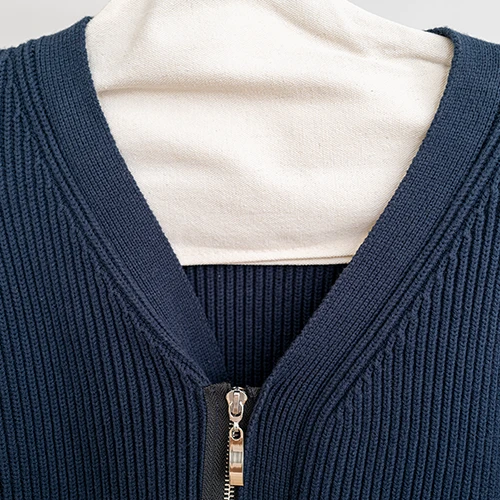

As a supplier of men's outdoor sweaters, we offer a wide range of options made from different fabrics to meet the diverse needs of our customers. Whether you're looking for a classic Mens Black Thick Cardigan Jackets or a luxurious wool - cashmere blend, we have something for you.
If you're interested in purchasing our men's outdoor sweaters for your business or personal use, we invite you to reach out for a purchasing discussion. We're committed to providing high - quality products and excellent service to our clients.
References
- "The Science of Wool: How It Keeps You Warm," Journal of Textile Science.
- "Cashmere: Properties and Production," International Textile Magazine.
- "Synthetic Fabrics in Outdoor Apparel," Journal of Outdoor Gear Technology.
- "Fleece: A Practical Guide for Outdoor Enthusiasts," Outdoor Activity Review.