

Hey there! As a supplier of men's wool cardigans, I often get asked about the differences between men's wool cardigans and silk cardigans. It's a question that goes beyond just the fabric; it touches on style, comfort, durability, and a whole lot more. So, let's dive right in and break down these differences to help you make the best choice for your wardrobe.
Fabric and Feel
First off, let's talk about the fabric. Wool is a natural fiber that comes from sheep, goats, or other animals. It's known for being warm, breathable, and durable. When you put on a men's wool cardigan, you can feel the thickness and the texture of the wool. It's like a warm hug on a cold day.
On the other hand, silk is made from the cocoons of silkworms. It's incredibly smooth and soft to the touch. Silk cardigans have a luxurious feel that's hard to beat. They're also lightweight, which makes them great for layering in different seasons.
The difference in feel is quite noticeable. Wool can be a bit scratchy, especially if it's a lower - quality wool. But high - quality wool, like merino wool, is much softer. Silk, however, is always smooth and gentle on the skin. If you have sensitive skin, silk might be the better choice for you.
Warmth and Insulation
When it comes to warmth, wool takes the cake. Wool fibers have natural crimps that trap air, creating a layer of insulation. This makes wool cardigans perfect for cold weather. You can wear a men's wool cardigan over a shirt on a winter day and stay cozy all day long.
Silk, while it can be warm in its own way, is not as insulating as wool. Silk is better suited for cooler days or as a layering piece under a heavier jacket. It can add a bit of warmth without making you feel too hot.
For example, if you're going out in the snow, a Mens Thick Cable Knit Sweater would be a great choice. The thick cable knit design not only looks stylish but also provides extra warmth. But if you're just going for a stroll on a mild spring evening, a silk cardigan would be more appropriate.
Breathability
Both wool and silk are breathable fabrics, but they work in different ways. Wool is able to absorb and release moisture, which helps to keep you dry and comfortable. It can wick away sweat from your body, preventing that sticky feeling.
Silk is also breathable, but it has a different moisture - management system. Silk can absorb up to 30% of its weight in moisture without feeling wet. This makes it great for regulating body temperature.
So, if you're someone who tends to sweat a lot, a wool cardigan might be better at keeping you dry. But if you want a fabric that feels cool and fresh against your skin, silk could be the way to go.
Durability
Wool is a very durable fabric. It can withstand a lot of wear and tear. A well - made men's wool cardigan can last for years if it's properly cared for. Wool fibers are strong and resilient, which means they're less likely to tear or stretch out of shape.
Silk, on the other hand, is more delicate. It can be easily damaged by sharp objects or rough handling. Silk cardigans need to be handled with care and dry - cleaned more often than wool cardigans.
If you're looking for a cardigan that you can wear regularly and not worry too much about damaging it, a wool cardigan is a better option. For example, a Mens Navy Wool Cardigan can be a staple in your wardrobe for a long time.
Style and Versatility
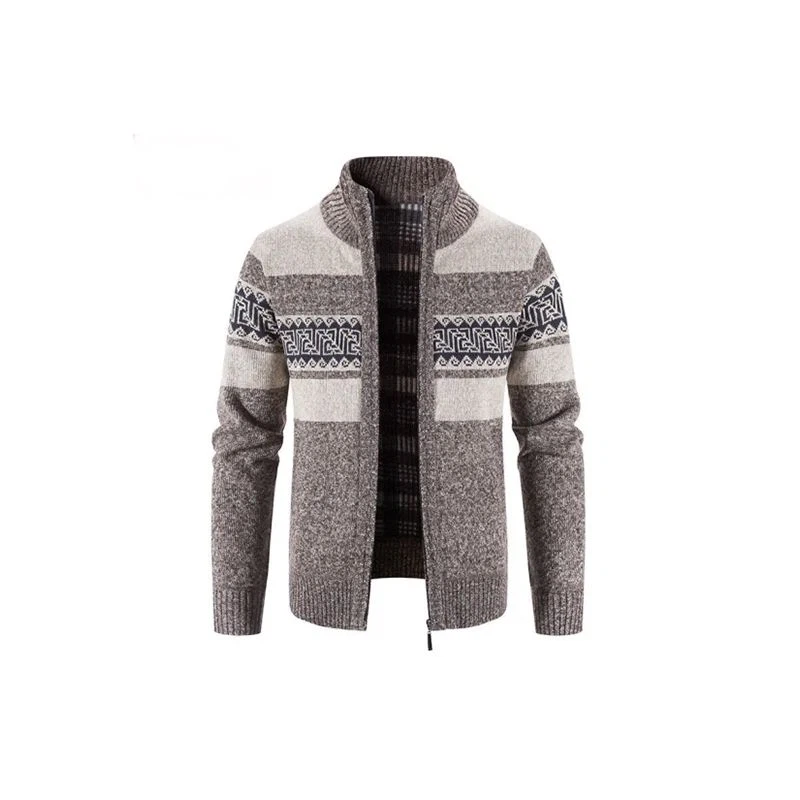
In terms of style, both wool and silk cardigans have their own unique looks. Wool cardigans often have a more rugged and classic look. They come in a variety of patterns, such as cable knits, argyle, and fair isle. Wool cardigans can be dressed up or down. You can wear them with jeans for a casual look or over a dress shirt for a more formal occasion.
Silk cardigans, on the other hand, have a more refined and elegant look. They're often solid - colored or have simple patterns. Silk cardigans are great for adding a touch of luxury to an outfit. They look amazing when paired with a suit or even just a nice pair of slacks.
A Mens Wool Sleeveless Cardigan is a versatile piece that can be worn in different ways. You can layer it over a long - sleeve shirt for extra warmth or wear it under a blazer for a more polished look.
Care and Maintenance
Caring for wool and silk cardigans is quite different. Wool cardigans usually need to be washed in cold water on a gentle cycle. You can also dry - clean them, but it's not always necessary. It's important to reshape the cardigan while it's damp to prevent it from losing its shape.
Silk cardigans require more delicate care. They should always be dry - cleaned or hand - washed in cool water with a mild detergent. You need to be very careful when handling silk to avoid stretching or snagging the fabric.
Cost
Generally, silk cardigans tend to be more expensive than wool cardigans. The process of producing silk is more labor - intensive, and the raw material itself is more costly. Wool, on the other hand, is more widely available and can be produced at a lower cost.
However, the price can also vary depending on the quality of the fabric and the brand. High - end wool cardigans made from premium wool can be just as expensive as silk cardigans.
Conclusion
So, there you have it! The differences between men's wool cardigans and silk cardigans are quite significant. Wool cardigans are great for warmth, durability, and a classic look. They're also more suitable for everyday wear and can withstand a bit of rough treatment. Silk cardigans, on the other hand, offer a luxurious feel, a refined look, and are perfect for special occasions.
If you're in the market for a men's cardigan and are considering your options, I'd be more than happy to help. As a supplier of men's wool cardigans, I have a wide range of styles and colors to choose from. Whether you're looking for a thick cable knit sweater for the winter or a navy wool cardigan for a more formal look, I've got you covered.
If you're interested in purchasing men's wool cardigans for your store or personal use, feel free to reach out. We can discuss your specific needs and find the perfect products for you.

References
- "Textiles: Science and Technology" by John H. Hinks
- "The Complete Book of Wool" by Elizabeth Zimmerman