

The lapel of a men's blazer is not just a sartorial detail; it's a statement piece that can significantly influence the overall look and fit of the garment. As a seasoned supplier of men's blazers, I've witnessed firsthand how the width of the lapel can transform a simple blazer into a fashion-forward or classic ensemble. In this blog, we'll delve into the standard lapel widths for men's blazers, exploring how they've evolved over time and how to choose the right one for different styles and occasions.
A Historical Perspective on Lapel Widths
Lapel widths have fluctuated in popularity over the decades, mirroring the changing trends in men's fashion. In the 1920s and 1930s, wide lapels were in vogue, often measuring between 3.5 to 4 inches. These broad lapels added a sense of grandeur and sophistication to the double-breasted suits that were popular during that era. The wide lapels were also practical, as they provided a larger surface area for displaying boutonnieres, a common accessory at the time.
The 1950s and 1960s saw a shift towards narrower lapels, typically around 2 to 2.5 inches. This change was influenced by the rise of the "Italian look," which emphasized clean lines and a more streamlined silhouette. Narrow lapels became a hallmark of the sleek, modern suits worn by celebrities and fashion icons of the era, such as James Dean and Frank Sinatra.
In the 1980s, wide lapels made a comeback, reaching widths of up to 4.5 inches in some cases. This was part of the larger trend of bold, oversized fashion that characterized the decade. The wide lapels were often paired with padded shoulders and loose-fitting jackets, creating a powerful and confident look.
In recent years, there has been a move towards a more moderate lapel width, typically ranging from 2.5 to 3 inches. This width strikes a balance between the classic and modern styles, making it suitable for a wide range of occasions and personal tastes.
Factors Influencing the Standard Lapel Width
Several factors contribute to determining the standard lapel width for men's blazers. These include the overall style of the blazer, the body type of the wearer, and the occasion for which the blazer will be worn.
-
Style of the Blazer: Different blazer styles call for different lapel widths. For example, a traditional, single-breasted blazer with a notched lapel typically looks best with a lapel width of 2.5 to 3 inches. This width complements the classic silhouette of the blazer and gives it a timeless appeal. On the other hand, a double-breasted blazer can accommodate a slightly wider lapel, ranging from 3 to 3.5 inches, to enhance its structured and formal look.
-
Body Type of the Wearer: The lapel width should also be tailored to the body type of the wearer. A wider lapel can add width to a narrow or slender frame, making the wearer appear more substantial. Conversely, a narrower lapel is more flattering for men with broader shoulders or a larger build, as it helps to create a more streamlined silhouette.
-
Occasion: The occasion for which the blazer will be worn is another important consideration. For formal events, such as weddings or business meetings, a more traditional lapel width of 2.5 to 3 inches is generally recommended. This width exudes a sense of professionalism and sophistication. For more casual occasions, such as a weekend brunch or a night out with friends, a slightly wider or narrower lapel can be chosen based on personal style preferences.
Choosing the Right Lapel Width for Your Blazer
When selecting a lapel width for your blazer, it's important to consider your personal style, body type, and the occasion. Here are some tips to help you make the right choice:
-
Try Before You Buy: The best way to determine the right lapel width for you is to try on different blazers with varying lapel widths. Pay attention to how the lapel looks and feels on your body, and how it complements the rest of your outfit.
-
Consider Your Face Shape: The lapel width can also have an impact on the appearance of your face. A wider lapel can help to balance a round face, while a narrower lapel can elongate a long face.
-
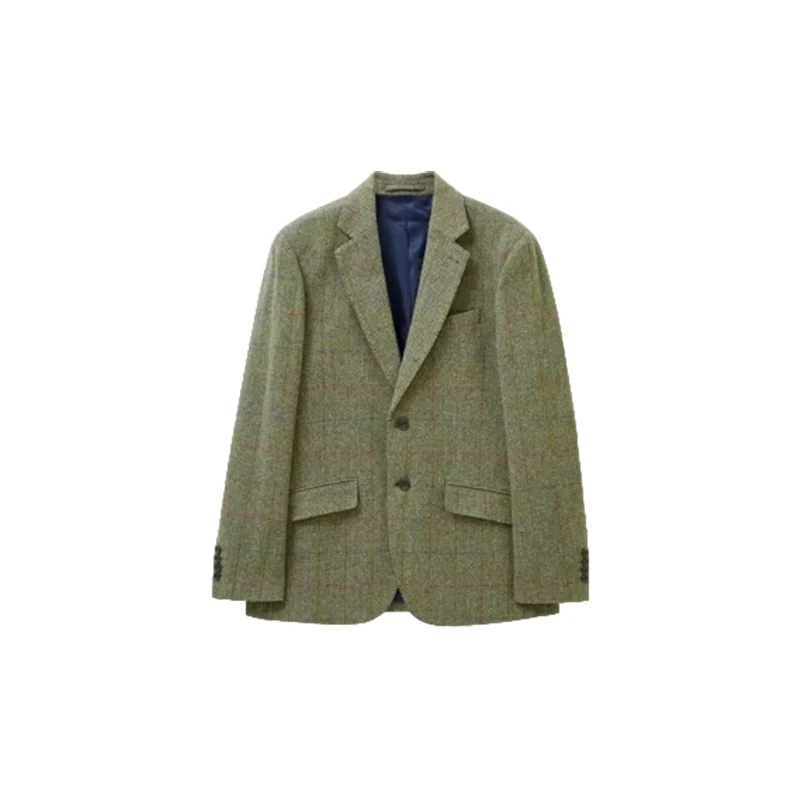
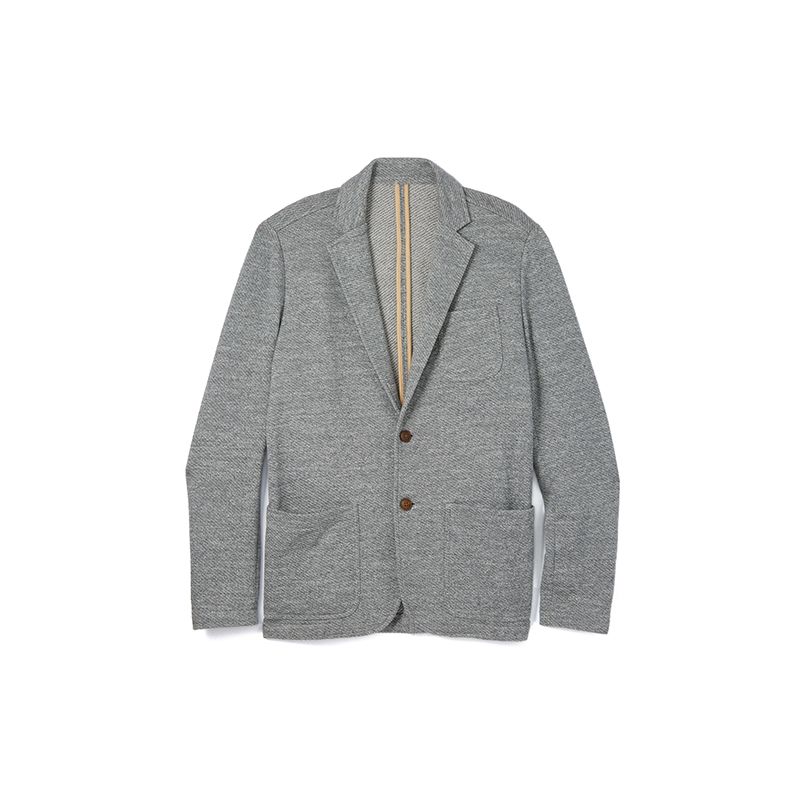
Match the Lapel Width to the Button Configuration: The button configuration of the blazer can also influence the choice of lapel width. A single-breasted blazer with a one-button closure typically looks best with a narrower lapel, while a two-button or three-button blazer can accommodate a slightly wider lapel.
-
Stay True to Your Style: Ultimately, the most important thing is to choose a lapel width that reflects your personal style and makes you feel confident. Whether you prefer a classic, traditional look or a more modern, fashion-forward style, there is a lapel width that will suit you.
Our Selection of Men's Blazers
As a leading supplier of men's blazers, we offer a wide range of styles and lapel widths to suit every taste and occasion. Our collection includes Long Tailored Blazer, which features a classic notched lapel and a tailored fit for a sophisticated look. For a more relaxed and contemporary style, our Unconstructed Blazer Mens offers a soft, unstructured silhouette with a narrow lapel. And for those who are always on the go, our Lightweight Travel Blazer Men's is made from a breathable, wrinkle-resistant fabric and features a moderate lapel width for a versatile and practical option.
Conclusion
The standard lapel width for a men's blazer is not a fixed measurement but rather a range that can vary depending on several factors, including style, body type, and occasion. By understanding the historical context and the factors that influence lapel width, you can make an informed decision when choosing a blazer that suits your personal style and needs.
If you're interested in exploring our collection of men's blazers or have any questions about lapel widths or other aspects of men's fashion, we'd love to hear from you. Contact us today to start a conversation about your procurement needs, and let us help you find the perfect blazer for any occasion.
References
- Cunnington, C. Willett, & Cunnington, P. (1992). Handbook of English Costume in the Nineteenth Century. London: Faber and Faber.
- Breward, C. (1999). The Hidden Consumer: Masculinities, Fashion and City Life, 1860 - 1914. Manchester: Manchester University Press.
- Geczy, C., & Karaminas, M. (2008). Men and Masculinities in Fashion. Berg: Oxford.