

Soft knit shorts have become a staple in many wardrobes, offering a unique blend of comfort, style, and versatility. As a supplier of soft knit shorts, I've had the privilege of exploring the intricacies of their texture and understanding why they are so beloved by consumers. In this blog post, I'll delve into the various aspects of the texture of soft knit shorts, from the materials used to the feel and drape, and how it all contributes to their overall appeal.
Materials and Their Impact on Texture
The texture of soft knit shorts is largely determined by the materials used in their construction. Common materials include cotton, wool, polyester, and blends of these fibers. Each material brings its own unique characteristics to the table, influencing the feel, stretch, and durability of the shorts.
Cotton is a popular choice for soft knit shorts due to its natural breathability and softness. It has a smooth, gentle texture that feels comfortable against the skin, making it ideal for everyday wear. Cotton also has good absorbency, which helps to keep the body cool and dry. However, pure cotton may not have as much stretch as some other materials, so it's often blended with other fibers to enhance its elasticity.
Wool is another material that can be used in soft knit shorts, particularly for colder climates. It has a warm, fuzzy texture that provides excellent insulation. Wool is also naturally moisture-wicking, which helps to keep the body dry and comfortable. However, some people may find wool to be itchy, so it's often blended with other fibers to reduce this effect.
Polyester is a synthetic fiber that is known for its durability and stretch. It has a smooth, sleek texture that is resistant to wrinkles and shrinking. Polyester is also quick-drying, making it a good choice for active wear. However, it may not be as breathable as natural fibers, so it's often blended with cotton or other materials to improve its comfort.
Blends of these materials are often used to create soft knit shorts that combine the best properties of each fiber. For example, a blend of cotton and polyester may offer the softness and breathability of cotton with the stretch and durability of polyester. A blend of wool and cotton may provide the warmth of wool with the comfort of cotton.
The Feel and Drape of Soft Knit Shorts
The feel and drape of soft knit shorts are also important factors in their texture. The feel refers to how the shorts feel against the skin, while the drape refers to how they hang and move.
Soft knit shorts typically have a smooth, soft feel that is comfortable to wear. They may have a slight stretch to them, which allows for a full range of motion. The texture of the fabric may be slightly fuzzy or smooth, depending on the materials used and the knitting technique.
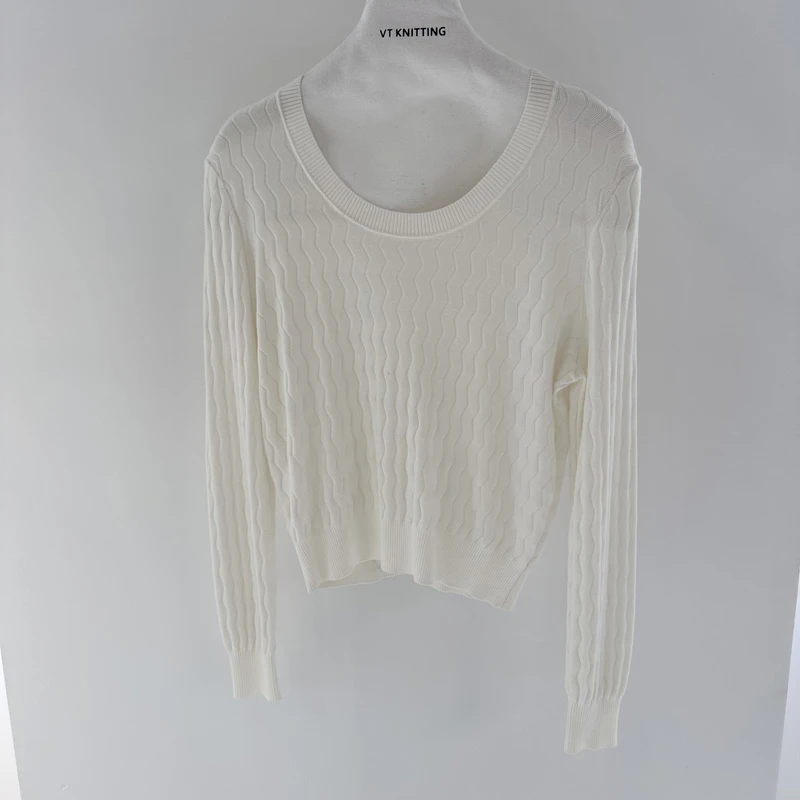
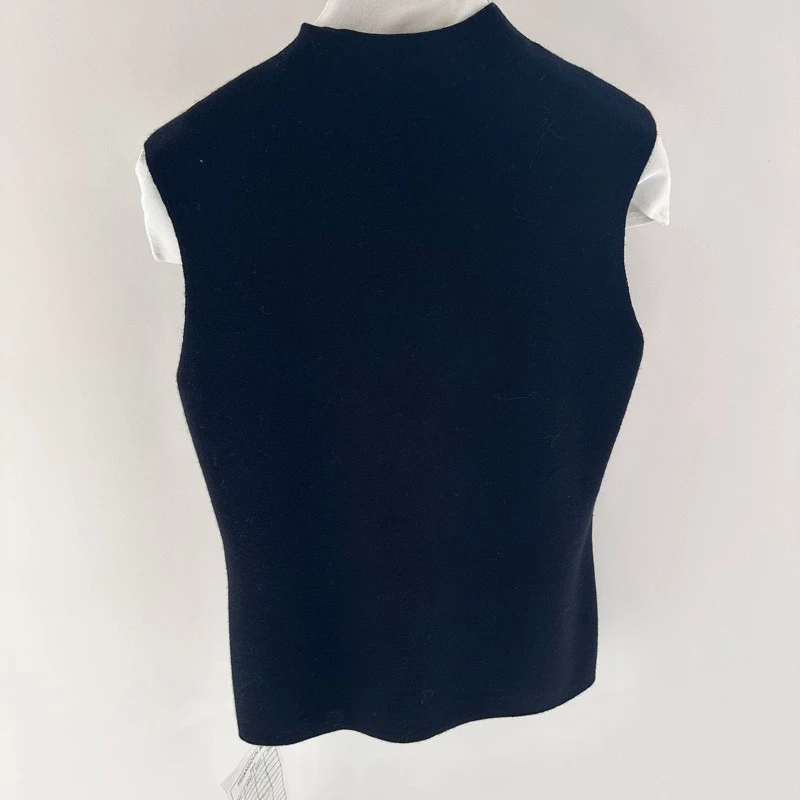
The drape of soft knit shorts is also an important consideration. A good drape means that the shorts hang smoothly and gracefully, without any bunching or sagging. This gives the shorts a more polished and professional look. The drape of the shorts is influenced by the weight and thickness of the fabric, as well as the knitting pattern.
The Knitting Technique and Its Influence on Texture
The knitting technique used to create soft knit shorts can also have a significant impact on their texture. There are several different knitting techniques, each with its own unique characteristics.
Stockinette stitch is one of the most common knitting techniques used in soft knit shorts. It creates a smooth, flat surface with a slight ribbing on one side. Stockinette stitch has a good drape and is relatively easy to knit. However, it may not have as much stretch as some other knitting techniques.
Garter stitch is another knitting technique that is often used in soft knit shorts. It creates a textured surface with a series of bumps and ridges. Garter stitch has a lot of stretch and is very forgiving, making it a good choice for beginners. However, it may not have as smooth a drape as stockinette stitch.
Rib stitch is a knitting technique that creates a series of vertical ridges. It has a lot of stretch and is very elastic, making it a good choice for waistbands and cuffs. Rib stitch also has a good drape and is relatively easy to knit.
Other knitting techniques, such as cable stitch and lace stitch, can also be used to create soft knit shorts with unique textures and designs. These techniques are more complex and require more skill, but they can add a lot of visual interest to the shorts.
The Importance of Texture in Soft Knit Shorts
The texture of soft knit shorts is an important factor in their overall appeal. It affects how the shorts feel to wear, how they look, and how they perform. A soft, comfortable texture is essential for everyday wear, while a more textured or structured fabric may be more suitable for a dressier occasion.
In addition to comfort and style, the texture of soft knit shorts can also affect their durability. A fabric with a good texture is less likely to pill, stretch out, or wear out quickly. This means that the shorts will last longer and provide better value for money.
How to Choose Soft Knit Shorts Based on Texture
When choosing soft knit shorts, it's important to consider the texture of the fabric. Here are some tips to help you make the right choice:
- Consider the occasion: Think about where you will be wearing the shorts and choose a texture that is appropriate for the occasion. For everyday wear, a soft, comfortable texture is usually best. For a dressier occasion, a more textured or structured fabric may be more suitable.
- Feel the fabric: When you're shopping for soft knit shorts, take the time to feel the fabric. It should feel soft and comfortable against your skin. Avoid fabrics that feel scratchy or rough.
- Check the stretch: Soft knit shorts should have some stretch to them to allow for a full range of motion. Check the stretch of the fabric by pulling on it gently. It should stretch easily and then return to its original shape.
- Look for quality construction: Pay attention to the quality of the knitting and the seams. The shorts should be well-made and free of any loose threads or defects.
Conclusion
The texture of soft knit shorts is a complex and important factor that affects their comfort, style, and durability. By understanding the materials, feel, drape, and knitting technique used in soft knit shorts, you can choose the right pair for your needs and preferences. As a supplier of soft knit shorts, I'm committed to providing high-quality products that offer the perfect combination of comfort and style. If you're interested in purchasing soft knit shorts for your business, I invite you to [contact me] to discuss your requirements and learn more about our products.
References
- "Knitwear: Materials, Techniques, and Design" by Sarah Swett
- "The Complete Book of Knitting" by Margaret Radcliffe
- "Fashion Knitting Today" by Erika Knight